Note: This is my third year Master’s project proposal to create a neuromorphic chip using Hafnium Dioxide. This project was scrapped due to lab closure due to COVID-19.
Abstract
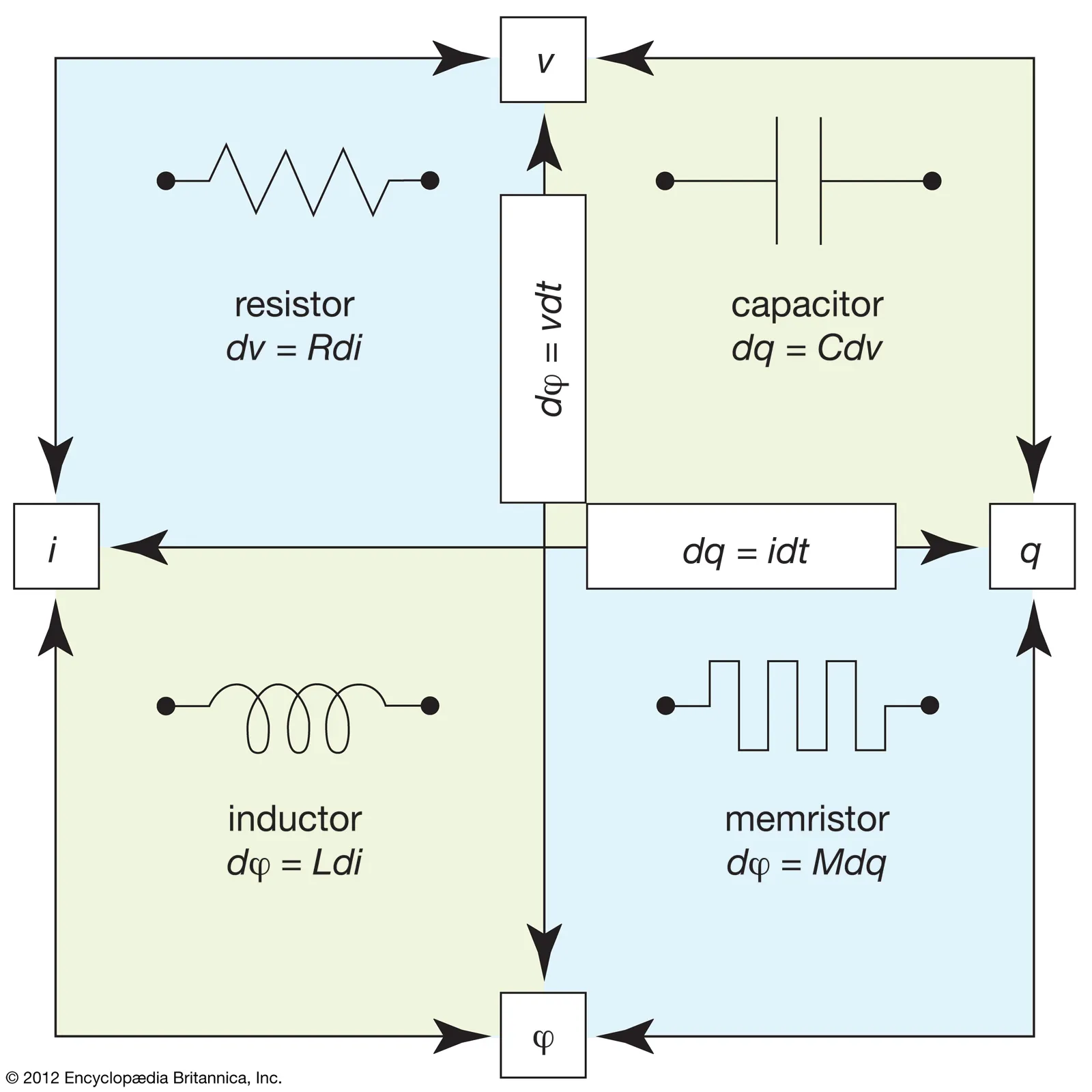
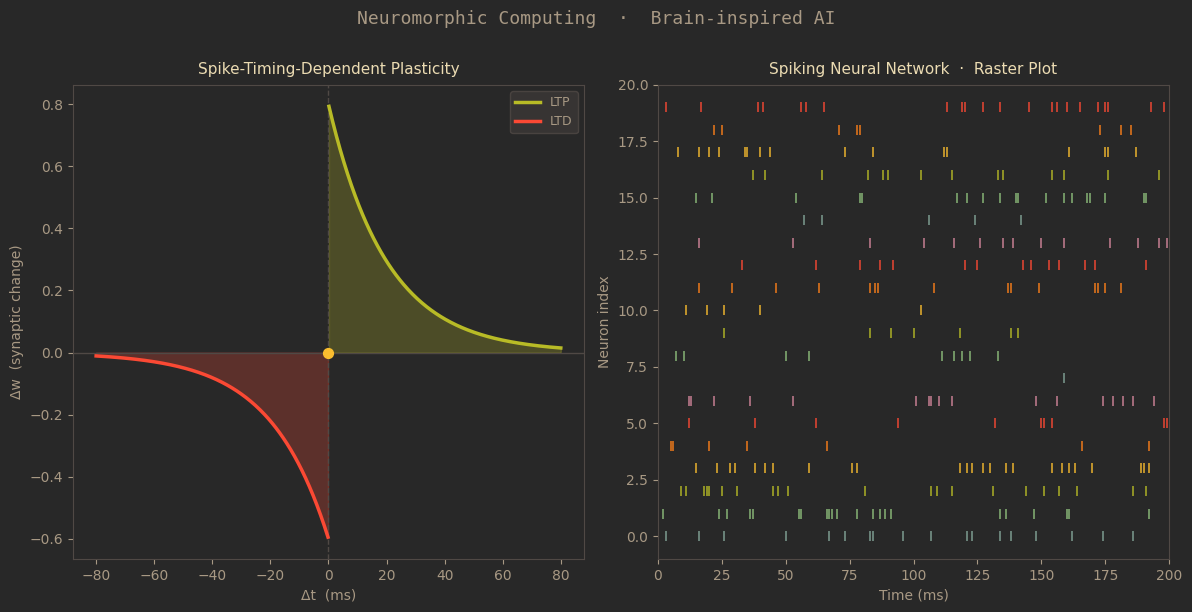
In this project we plan to manufacture a lateral memristive device characterised by a pinched hysteresis I-V graph using a TMDC with an oxygen ion migration mechanism. This device will then be used to mimic a fundamental mechanism of synapses in the brain which will then be exploited to realise physical neural network capable of Hebbian learning.A mixture of neuroscience, electrical engineering and condensed matter physics is combined to imitate the efficiency of nature and apply it to improve our contemporary computing methods.
Introduction
Artificial Intelligence is an ever-growing field of study due to the potential it holds in revolutionising optimisation methods drawing the interest of large corporations which see it as an effective way of increasing profits. In addition to this, AI is an interesting endeavour in attempting to replicate the function of our human brain, testing the idea of how our brains process information via mimicry of models found in neuroscience. Currently the study of artificial intelligence is predominantly an endeavour in creating artificial neural networks via software utilising traditional hardware, namely computers built using the von Neumann Architecture. The problem with this architecture is the bottleneck posed by the data-bus between the Central Processing Unit (CPU) and the (working) random access memory (RAM).
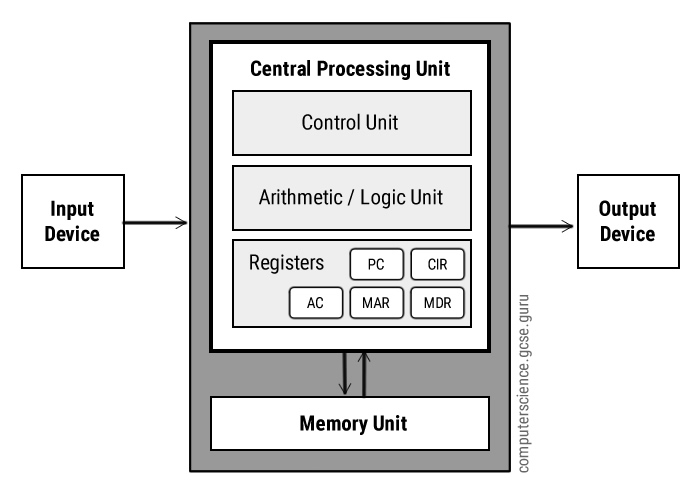
Majority of machine learning methods that exist today rely on a large and low latency memory meaning this bottleneck is more pronounced for these purposes. A potential solution to this is a Neuromorphic computer architecture which utilises parallel/inmemory processing removing the bottleneck entirely. The potential of neuromorphic design is visible from the difference in size and power consumption of current supercomputers and the human brain. Our brains are capable of supercomputer level processing power with the energy consumption comparable to a domestic light bulb. It is true that our brains’ processing methods are fundamentally different and more heuristic in nature than computers used today meaning replicating a human brain is a near impossible task. However, applying even a fraction of mechanisms observed in the brain to today’s computing methods has the potential for a significant increase in efficiency and speed which makes this field of study worth exploring. Contemporary efforts in creating neuromorphic computer architectures a reality is led by companies such as IBM, Qualcomm, Samsung and Intel. Efforts include creating lower latency nonvolatile RAM as well as physical neural networks using memristors. Memristors, first postulated and later created by Leon Chua in 1971 , lay at the heart of most neuromorphic designs.